Your next adventure could be a moment together.
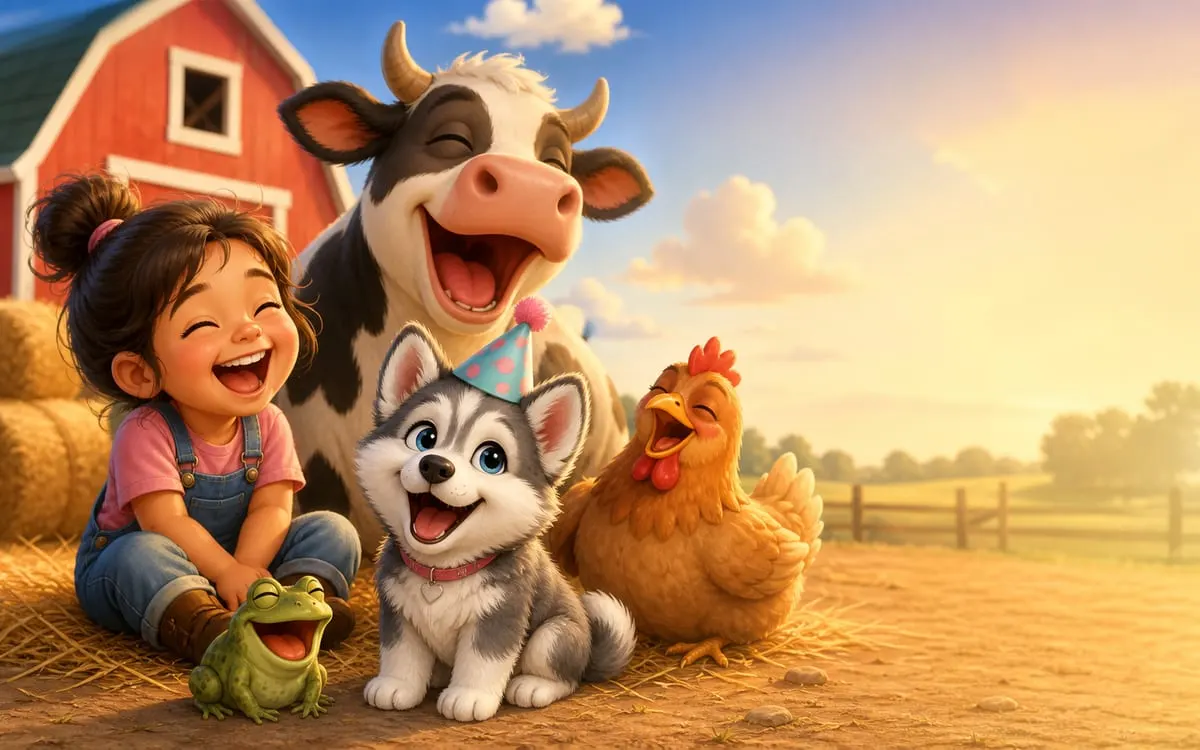
Now that you have met Pigúiça here, discover the story behind her world. See the illustrations, read the beginning and choose a book to share with your child, one page at a time.
Kids ask about everything, and animal questions are the best ones. Here are 15 curious animal questions for kids, each with a short, fun answer, ready to read aloud at breakfast, in the car or at bedtime.
We only use well-known facts and skip the complicated numbers. If your child wants to know more, wonderful: that is the perfect excuse to look things up together.
Animals with shells, armor and spines
First up, the animals that carry their own protection everywhere they go.
- What is a turtle's shell for? It protects the body like super tough armor. When danger shows up, the turtle pulls its head and legs inside.
- Can a turtle come out of its shell? Nope! The shell is part of its body and connected to its bones. It is not a coat you can take off and hang up.
- Why does a snail carry its house on its back? The shell protects the snail's soft little body and helps keep it moist. At the slightest scare, the snail hides inside.
- Why does an armadillo have armor? The hard shell protects it from anyone who wants to cause trouble. Some armadillos even curl up into a ball to stay extra safe.
- What are a hedgehog's spines for? They are its defense. When it feels threatened, the hedgehog rolls up and points its spines out, and nobody wants to come close.
Animals with necks, trunks and tails
Now, the animals with one very special body part.
- Why does a giraffe have a long neck? To reach leaves high up in the trees, where almost nobody else can. From up there, it can also see far away.
- What is an elephant's trunk for? It is a nose and a hand at the same time! Elephants smell, grab food, drink water and even spray themselves on the back for a shower.
- Why does a chameleon change color? It is not only for hiding. The color can show whether it is calm or upset, and it helps chameleons talk to each other.
- Why does a cat purr? Often because it is happy and cozy on your lap. But cats also purr to calm themselves down, so watch the rest of its body too.
- Why does a dog wag its tail? The tail is a way of talking. It usually shows joy, but not always: so go slowly with dogs you do not know and ask a grown-up first.
Animals of the sea and the sky
Last, the ones that live in the water and the ones that love to fly.
- Does a whale breathe underwater? No. A whale is a mammal and has to come up to the surface to breathe air, through the opening on top of its head.
- What is an octopus's ink for? It is an escape trick. The octopus squirts a dark cloud into the water, and its enemy cannot see while it swims away.
- How do birds fly? They have strong wings, light feathers and bodies that are not heavy at all. Every flap helps the bird hold itself up in the air.
- Why do bats sleep upside down? It is their way of resting, hanging in hidden places. The bat is the only mammal that truly flies.
- How does an owl turn its head so far? Its eyes stay fixed in its face and do not move like ours. So its neck is very flexible, and it turns its head to look around.
The question of the day game
A great way to use this list is a family question of the day. It is simple and takes just a few minutes.
Pick one question, but read only the question, not the answer. Everyone makes a guess, even the wildest one, and every guess earns applause. Then read the answer and see who came closest.
To stretch the fun, ask your child to draw the animal of the day. Our free printable coloring pages help a lot here. And if you want to keep the imagination going, Pigúiça's free game runs in the browser, with no sign-up and no ads.
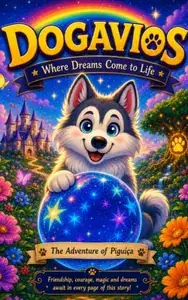
Curious about animals from long ago? Check out our dinosaur facts for kids. And if your little ones love stories with animals, meet the book Dogavios, with Pigúiça the husky and her friend Fofuxo in the Magic Garden.
Tips for talking about animals
Let your child ask first and answer in just a few words. Short answers hold attention better than long explanations. Imitate the animal, do the elephant's voice or the turtle's slow walk: kids learn while laughing. And if you visit a park or a farm, watch the animals calmly from a distance, always with a grown-up nearby.
Frequently asked questions
What age are these questions for?
They work well from ages 3 to 8. Younger kids enjoy the animals and their sounds, and older ones like understanding the reason behind everything.
What if I do not know the answer to my child's question?
No problem! Say you do not know and look it up together in a book or a trusted website. Showing that grown-ups learn too is a valuable lesson.
Can I make up my own questions?
Of course. Notice what your child finds curious, like the neighbor's cat or the little bird at the window, and turn it into a question. The closer to their daily life, the more excited they get.
Your next adventure could be a moment together.
Now that you have met Pigúiça here, discover the story behind her world. See the illustrations, read the beginning and choose a book to share with your child, one page at a time.