Working memory is the brain's scratchpad: it is where a child holds the beginning of a sentence while reading the end, or the «go to your room AND grab the coat AND turn off the light». Training it through play is easy, and almost always free.
Games with zero shopping
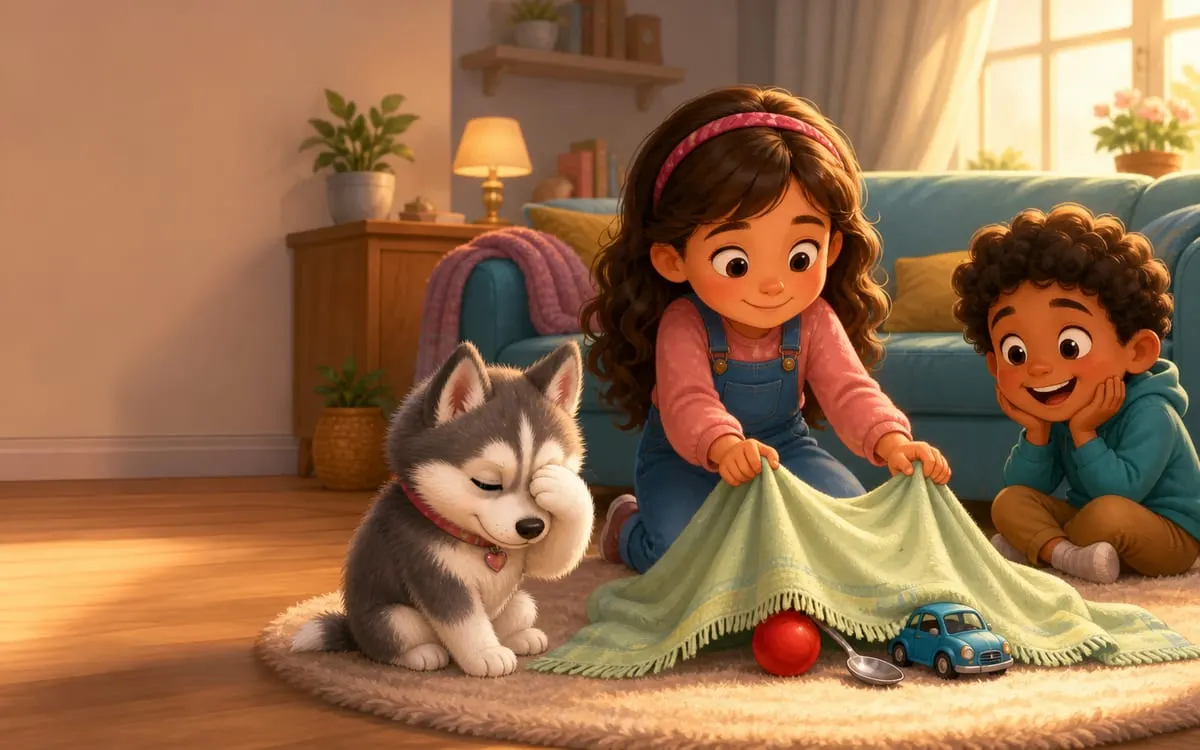
- What left the tray (3+): five objects on a tray, the child looks for ten seconds, closes their eyes, you remove one. Which one is gone? Keep adding objects.
- I went to the market (4+): «I went to the market and bought bananas», the next player repeats and adds. The list grows until someone trips.
- Sequence master (4+): clap, touch your nose, jump. The child repeats the sequence and adds a move. Simon says, body edition.
- Eyes-closed house (5+): «how many windows in the living room?», «what color is the toothbrush?». Everyday memory, guaranteed surprises.
- Outfit detective (5+): one player leaves the room and changes one detail of their outfit. The other finds out what.
- Sock pairs (3+): spread out inside-out sock pairs and play the classic matching game with them.
The ones worth buying
- The card matching game: the classic. Tip: start with 6 pairs and work up. And brace your ego, five-year-olds routinely beat adults (fresh visual memory!).
- Spot-the-picture games: finding figures on a board trains memory and visual attention at once.
The secret nobody mentions
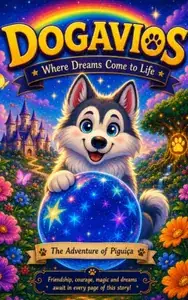
Playing the same game over and over is not laziness: that is exactly how training works. Kids ask again because they feel themselves getting good, and that sense of progress is what makes the brain keep it. Repeated books work the same way, which is why kids ask for the same story ten times. If the current favorite is Pigúiça the husky in Dogavios, lean in: in the free game she also tests your memory of the Magic Garden's paths. 🐾