Your next adventure could be a moment together.
Now that you have met Pigúiça here, discover the story behind her world. See the illustrations, read the beginning and choose a book to share with your child, one page at a time.
Looking for garden and plant jokes for kids? Here are 20 short, clean jokes about flowers, plants, worms and bees, sorted by age from 3 to 8. Each one has a question and an answer, takes a few seconds to tell, and has no scary parts at all.
The garden is one of children's favorite places: it has little creatures, colors, smells and always a surprise hiding in the soil. Mixing that world with silliness brings guaranteed giggles, and it teaches new words without feeling like a lesson.
Why garden jokes work so well
Young children are curious about everything that grows. They want to know how a seed becomes a flower, where the worm goes and where the bee is flying. When those characters show up in a joke, the scene is already familiar and they join the game easily.
The garden critters in these jokes are also friendly and harmless. The bee only wants the flower, the worm only wants soft soil and the plant only wants a little sunshine. Nobody gets scared, everybody laughs and the garden stays peaceful.
The 20 jokes, from easiest to cleverest
The jokes are in one numbered list, and each one starts with its recommended age. Begin with the simplest and move up. If your child laughed, tell it again. If they did not get it, just move on to the next one.
- Ages 3 to 4: What did the flower say to the bee? Bzzz, come visit me!
- Ages 3 to 4: Why doesn't the worm wear shoes? Because it has no feet!
- Ages 3 to 4: What does the bee do in the morning? Buzz buzz, wakes up the flower!
- Ages 3 to 4: Why did the flower go to the doctor? Because it was feeling droopy!
- Ages 3 to 4: What did the seed say to the soil? Give me a hug, I want to grow!
- Ages 3 to 4: Why is the worm good at hide and seek? Because it hides under the ground!
- Ages 3 to 4: What did the rain say to the flower? Have a little drink!
- Ages 5 to 6: Why is the tree a good student? Because it has lots of leaves of paper!
- Ages 5 to 6: What did the plant do when it saw the sun? It opened a petal smile!
- Ages 5 to 6: Why does the bee never have messy hair? Because it uses a honeycomb!
- Ages 5 to 6: What is the bee's favorite sweet? Honey cake!
- Ages 5 to 6: Why is the sunflower so cheerful? Because it always faces the sun!
- Ages 5 to 6: What did the gardener say to the grass? You look great, you just need a haircut!
- Ages 5 to 6: Why did the tomato turn red? Because it saw the salad getting dressed!
- Ages 7 to 8: Why is the worm the best gardener? Because it digs deep and never complains about dirt!
- Ages 7 to 8: Why does the cactus never need an umbrella? Because it keeps the water at home!
- Ages 7 to 8: Which flower can't keep a secret? The daisy, because it always has its petals open!
- Ages 7 to 8: Why is the garden great at math? Because it has so many square roots!
- Ages 7 to 8: Why is the bee so popular? Because everybody wants to be in its hive!
- Ages 7 to 8: How does a worm know which end is the front? It doesn't, but it keeps going anyway!
How each age group enjoys them
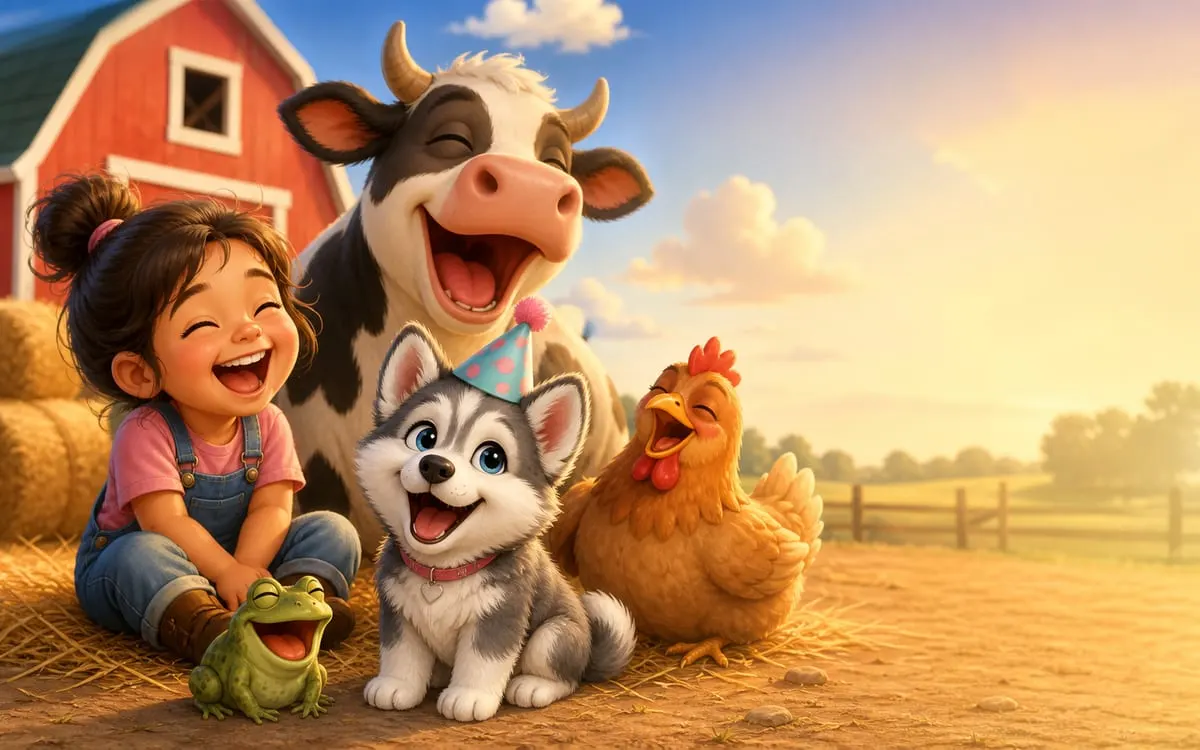
At ages 3 and 4, scenes and sounds are what count. The child laughs at the buzzing bee, the worm with no shoes and the seed asking for a hug. Do not worry if they miss the ending. They are laughing with you, and that is the goal.
At ages 5 and 6, the first simple wordplay appears, like «leaves of paper» and «honeycomb». It is a great time to explain the trick of the joke in one sentence, because understanding double meanings is part of the fun.
At ages 7 and 8, kids enjoy being surprised and telling jokes to friends. The square roots joke and the hive joke work well, and children often invent versions of their own using plants they know.
Tips for telling garden jokes
Tell them in a real garden
If you have a yard, a balcony or a little pot on the windowsill, tell the jokes right there. Pointing at the flower, the leaf or the soil makes the joke come alive and helps your child connect the humor with what they see.
Leave time to think
After the question, wait three seconds. Let your child guess, even if the guess is wild. The guesses are often funnier than the real answer.
Plant together and invent jokes
Plant a bean in damp cotton or a seed in a small pot, always with a grown-up helping, and tell one joke for every new sprout. Then ask your child to invent one about the little plant. Wash hands well after touching soil, and do not let little ones put leaves or seeds in their mouths. Playing gardener builds patience, observation and language.
Keep the fun going
After the jokes, why not play for real? In the free Pigúiça game, the blue-eyed husky puppy has adventures right in the browser, with no sign-up and no ads. If your child likes to draw, the printable coloring pages are free, and they can color flowers, bees and worms as much as they like. You can also watch the cartoon episodes together as a family.
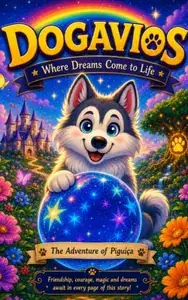
And if the garden mood caught on, the book Dogavios: Where Dreams Come to Life, by Lucas dos Reis Arieme, takes Pigúiça and her friend Fofuxo to the Magic Garden, a lovely read for bedtime.
Frequently asked questions
At what age do kids understand garden jokes?
Around age 3 you can tell very simple jokes based on funny scenes like the worm with no shoes. Understanding double meanings usually shows up between 5 and 7, so jokes with words like «root» and «hive» work best at that stage.
My child did not laugh at the joke. What should I do?
No problem at all. Sometimes the child does not know the key word yet, like «hive» or «petal». Explain it in one sentence, tell it again with more voice and gestures, or move to another joke. Laughing is not required, and the goal is to enjoy time together.
Can I make up plant jokes with my child?
You can and you should! Pick a plant or a garden creature and imagine something silly it would do. Write the best jokes in a notebook. Inventing jokes builds language and creativity, and it becomes a happy family memory.
Your next adventure could be a moment together.
Now that you have met Pigúiça here, discover the story behind her world. See the illustrations, read the beginning and choose a book to share with your child, one page at a time.
Your next adventure could be a moment together.
Now that you have met Pigúiça here, discover the story behind her world. See the illustrations, read the beginning and choose a book to share with your child, one page at a time.