The fable is the oldest educational technology there is: a short story, animals as protagonists and a truth at the end. It has worked for 2,500 years for the same reason as always: children accept from the crow and the fox a lesson they would reject in a lecture.
The 10 worth telling
- The hare and the tortoise: steadiness beats hurried talent.
- The grasshopper and the ant: every pleasure has its season, and so does work.
- The lion and the mouse: no one is too small to help.
- The fox and the grapes: scorning what you cannot reach is fooling yourself.
- The boy who cried wolf: a liar loses his voice on the day he tells the truth.
- The crow and the fox: beware of those who flatter too much.
- The goose with the golden eggs: haste destroys what patience would build.
- The town mouse and the country mouse: luxury with fear is worth less than simplicity in peace.
- The wind and the sun: kindness persuades where force fails.
- The two pots: everyone has their fragility, and that is fine.
How to tell them without lecturing
The golden rule: tell the whole story and hold the moral in your mouth. Ask «what would you do in the tortoise's place?» and let the child put the lesson in their own words. A discovered moral is worth ten times an announced one.
Fables belong at bedtime
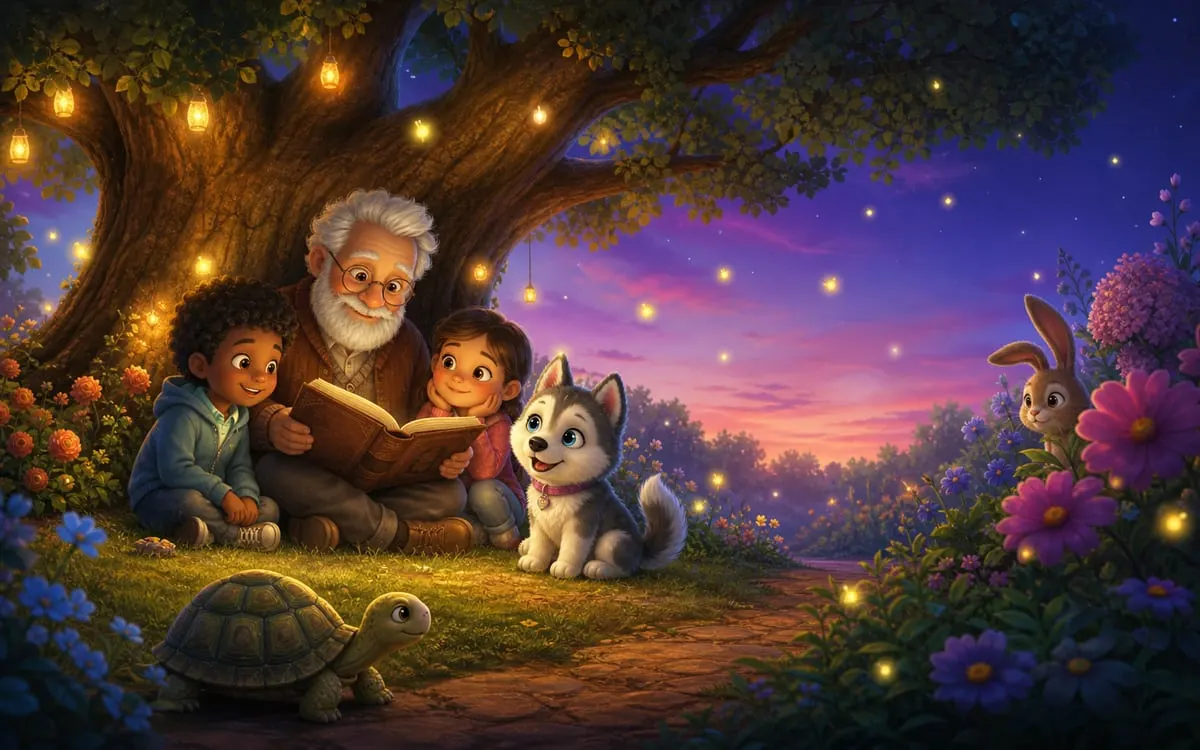
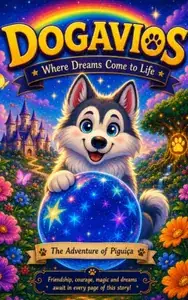
Short, with a beginning, middle and end, and closing in calm: the fable is the perfect format for the last story of the night. If your child asks for «one more», follow with an adventure built from the same ingredients, a brave animal and a lesson about friendship: the journey of Pigúiça the husky in the Dogavios book is a modern fable about believing in your dreams. 💜