Kids dance before they know it has a name: music played, the body answered. That natural response is one of the most complete forms of play there is: dance trains body, memory and emotion at once, without feeling like training.
What dancing develops
- Coordination and balance: jumping, spinning and stopping on the beat is a full motor circuit.
- Memory and sequencing: memorizing «first clap, then spin» is the same skill as following instructions at school.
- Confidence: performing a little dance for the family to applaud is a safe stage to beat shyness.
- Energy well spent: 20 minutes of dancing equals an afternoon at the playground on a rainy day.
5 easy routines (ages 2 to 8)
- Mirror dance: you move, the child copies. Then swap: they create, you copy (every child's favorite part).
- Freeze dance: music stops, body freezes. A classic because it works.
- Animal dance: each song becomes an animal: hop like a frog, wiggle like a dog, fly like a bird.
- Scarf in the air: toss a scarf up: everyone dances while it falls, freeze when it lands.
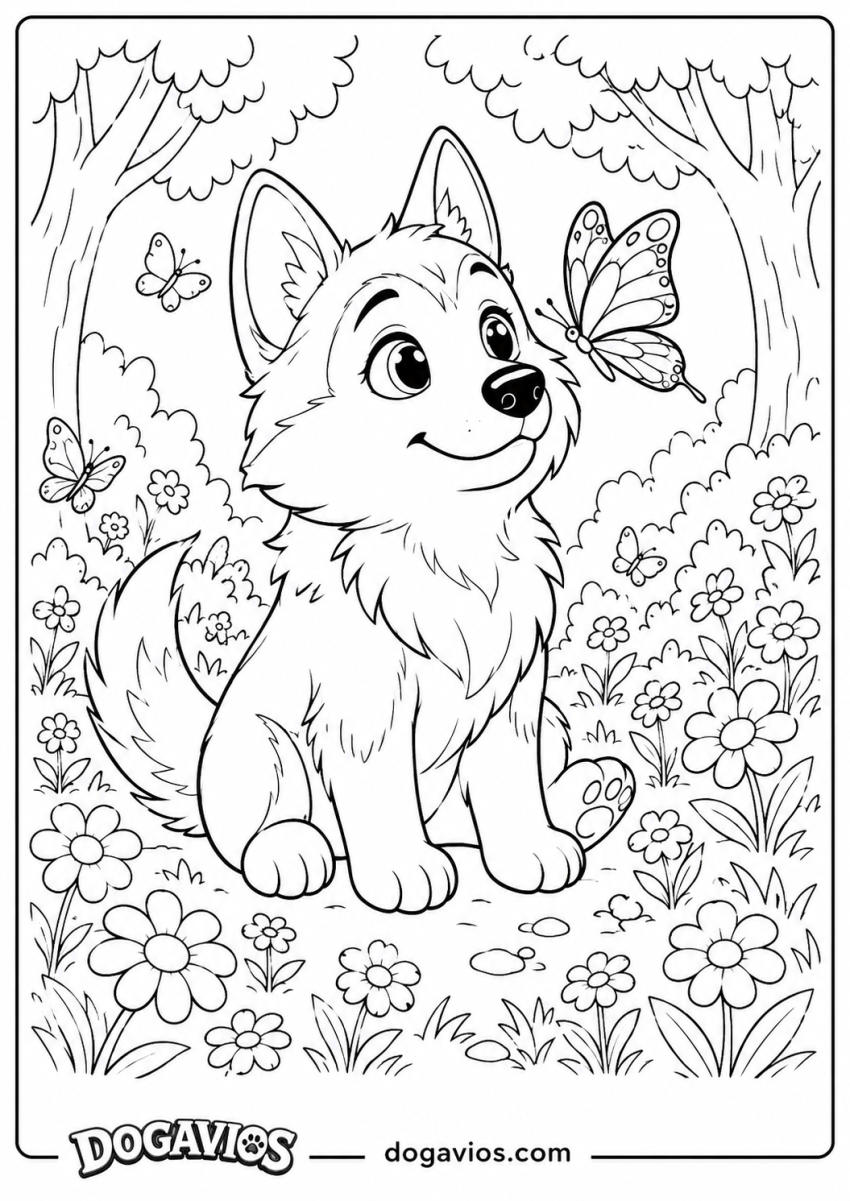
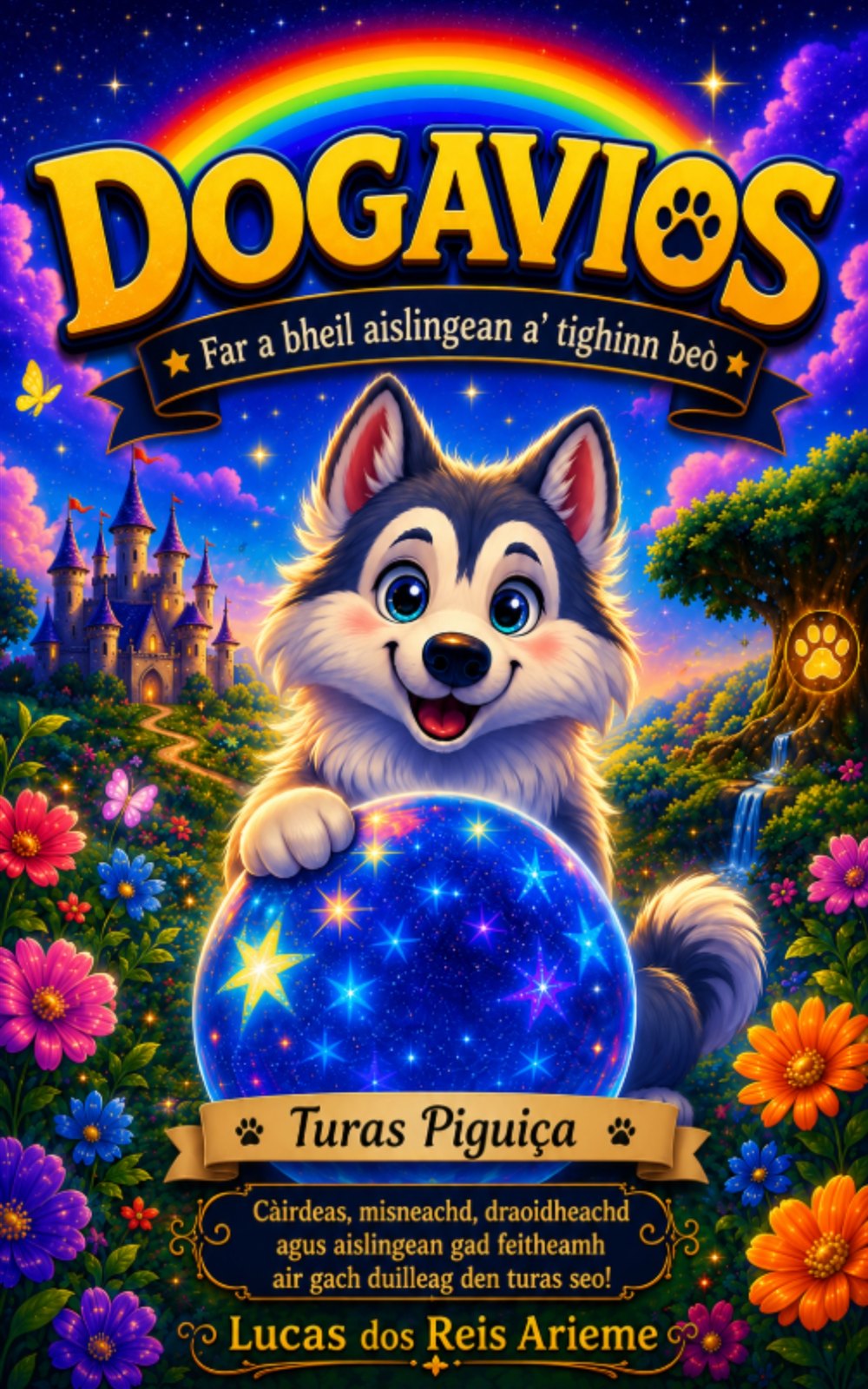
- Dança do Cachorrinho: the official Dogavios routine is simple on purpose: tail wags, paw shakes. The song is free on streaming, along with 21 more.
Making it a habit
Pick a fixed time (late afternoon works well: burns energy before the bedtime routine) and let your child choose the song of the day. Ten minutes is enough. A body tired from dancing sleeps better. 🐾